How Do You Do a Low Fade Haircut for Different Hair Types in 2026?
A low fade haircut in 2026 is one of those styles that looks sharp on nearly everyone, but getting it right depends heavily on your hair type. Straight, wavy, curly, and thick hair each respond differently to the clipper and blade, and the technique has to shift to match.
If you've ever wondered why a fade looks crisp on one person and uneven on another, the answer almost always comes down to working with the hair instead of against it.
Key Takeaways
A low fade starts just above the ear and tapers down gradually, making it versatile for work and casual settings.
The clipper guard sequence, blending angle, and finishing technique change depending on whether your hair is straight, wavy, curly, or thick.
Attempting this cut at home often leads to harsh lines, patchy transitions, and uneven length around the ears.
Professional barbers adjust their approach based on growth patterns, density, and face shape for a personalized finish.
Regular touch-ups every two to three weeks keep the fade looking fresh and intentional.
Overview
This guide walks you through the low fade process for four common hair types, along with the tools barbers rely on, the most frequent mistakes people make, and how often you should book maintenance cuts.
You'll also find answers to the most common questions clients ask, plus guidance on why a trained barber almost always produces better results than a home attempt.
By the end, you'll understand how to do a low fade haircut for different hair type with confidence, whether you're styling it yourself between visits or preparing for your next appointment.
What Makes a Low Fade Different From Other Fades?
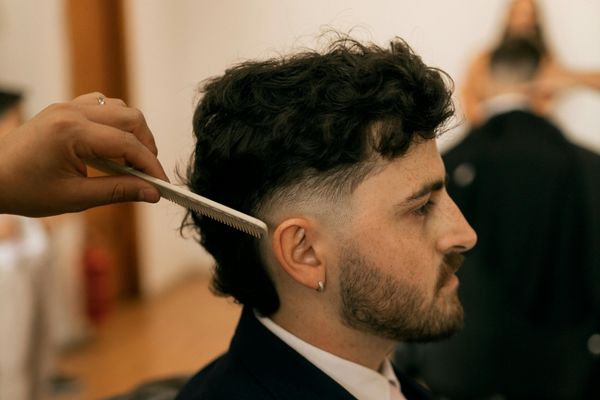
A low fade sits lower on the head than mid or high fades, usually beginning just above the ear and curving gently down toward the neckline. The transition is softer, which gives the overall look a more understated, professional feel.
It pairs well with almost any length on top, from short crops to longer styles with movement.
The reason this cut remains so popular is its balance. You get the clean finish of a fade without the dramatic contrast of a high taper, meaning it suits formal environments as well as weekends out.
It also flatters most face shapes because the gradual blend draws the eye down rather than widening the sides of the head. For anyone booking a men's haircut in Scottsdale, the low fade is consistently one of the most requested styles for exactly these reasons.
Tools You'll See Used for a Proper Low Fade
Professional barbers rely on a specific set of tools to achieve the seamless transition this style demands. Understanding what goes into the cut helps explain why results vary so much between a shop visit and a home attempt.
According to the American Board of Certified Haircolorists, proper tool selection and technique are foundational to consistent, repeatable results in any precision cut.
The core toolkit includes:
Clippers with multiple guard sizes for building the base gradient
Trimmers or edgers for outlining the hairline, sideburns, and neckline
A straight razor or foil shaver for the cleanest finishing touches
Thinning shears for blending, especially with denser hair
A barber comb for guiding the clipper over longer sections
A clean finish relies heavily on the barber's ability to switch between these tools smoothly, something that takes considerable practice to master.
How to Do a Low Fade Haircut for Different Hair Type
Every head of hair behaves differently under clippers, so the approach has to adapt. Below is how skilled barbers tailor the low fade across the four most common hair types.
Straight Hair
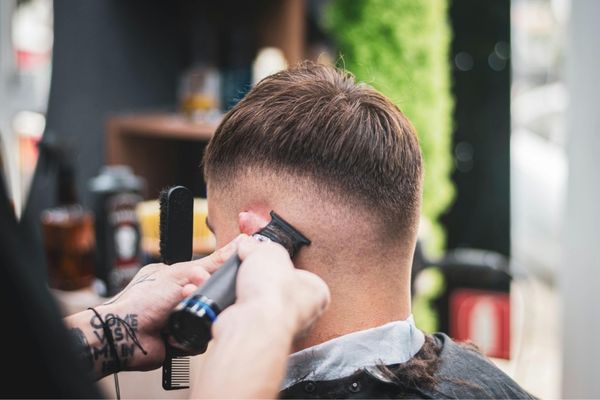
Straight hair shows every line, which is both a blessing and a curse. The blend has to be nearly flawless because any uneven patches will be obvious. Barbers typically start with a longer guard and work down in small increments, using slow, controlled motions to avoid harsh steps between lengths. The top is usually styled into a side part, quiff, or textured crop to balance the clean sides.
Wavy Hair
Wavy hair is forgiving in one sense and tricky in another. Its natural movement hides small imperfections, but the waves can also push the hair in unexpected directions during cutting. Barbers often dampen the hair slightly to control it, then blend carefully along the curve of the head. A medium-length top with natural texture pairs beautifully with a low fade on wavy hair.
Curly Hair
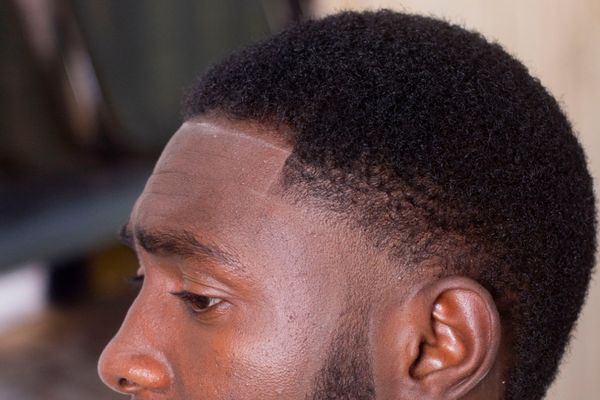
Curly hair requires the most patience. Because curls spring back after being cut, the barber has to account for shrinkage and cut slightly longer than the target length. The clipper-over-comb method works well here, allowing precise control without flattening the curls. Many clients with curls book an expert barber in Scottsdale specifically because fading curly textures takes genuine skill and practice.
Thick Hair
Thick hair carries a lot of weight, which can make fades appear blocky if the blending isn't handled properly. Thinning shears play a big role here, removing bulk without shortening the overall length. The top can be kept full for a bold contrast, or textured for a lighter feel. A low fade is actually one of the best ways to manage thick hair because it reduces weight around the sides while keeping the shape intact.
Common Mistakes People Make at Home
Trying to do a low fade yourself is where things usually go wrong. The most frequent issues include starting the fade too high, skipping guard sizes (which creates visible lines), rushing the blend, and cutting against the grain without realizing it. Even with a decent clipper set, the angles required for a smooth gradient are hard to see on your own head.
There's also the issue of symmetry. What looks even in the mirror often isn't, and correcting mistakes usually means going shorter than planned. A better path is booking a professional beard and haircut service where the fade is handled by someone who cuts them every day. The results last longer, look sharper, and save you the frustration of fixing a bad attempt.
Maintenance and Styling Between Visits
A low fade is a low-maintenance cut in terms of daily styling, but it does need regular trims to stay sharp. Most men book touch-ups every two to three weeks, depending on how quickly their hair grows. Between visits, a light matte product like clay or paste helps keep the top looking intentional without weighing it down. For curly and wavy types, a curl cream or leave-in conditioner maintains definition without flattening the texture. Pairing the fade with a clean beard trim and shave ties the whole look together and keeps you looking polished.
For men dealing with scalp sensitivity or irritation from frequent fades, the American Academy of Dermatology recommends gentle cleansing and avoiding products with heavy fragrances or alcohol.
Located at 4408 N Miller Rd #103, Scottsdale, AZ 85251, Shaving Grace Barber Shop is the trusted neighborhood spot for men who want precision cuts in a welcoming environment.
Our team brings years of experience, family-owned hospitality, and a long list of happy clients who keep coming back for the same reliable results. Walk-ins are welcome, and appointments can be scheduled by calling +1 480-947-4746. If you want to see exactly how to do a low fade haircut for different hair type done right, book your visit with Shaving Grace Barber Shop and let our barbers handle the details.
FAQs
Q: How long does a low fade haircut usually take?
A: A standard low fade takes around 30 to 45 minutes depending on hair type and the length on top. Curly or thick hair may take slightly longer because of the extra blending and shaping required for a clean transition.
Q: Is a low fade suitable for curly hair?
A: Yes, a low fade works beautifully with curly hair. The shorter sides highlight the natural texture on top while keeping the overall look manageable. Barbers use clipper-over-comb techniques to shape curls without losing their natural bounce.
Q: Can I get a low fade with straight hair?
A: Absolutely. Straight hair is one of the easiest textures for a clean low fade because the gradient shows clearly. The challenge lies in precision, since any uneven blending will be visible, which is why professional cutting makes such a difference.
Q: How often should I get my low fade touched up?
A: Most clients book touch-ups every two to three weeks to keep the fade crisp. Fades grow out quickly around the ears and neckline, so consistent visits help maintain the sharp appearance that makes this style so popular.
Q: What's the difference between a low fade and a taper?
A: A taper is more subtle and keeps more length around the ears and neckline, while a low fade gradually blends down to much shorter lengths or skin. Fades create sharper contrast, whereas tapers offer a softer, more classic finish.
Q: Does a low fade work for thick hair?
A: Yes, and it's actually one of the best choices for managing bulk. The fade removes weight from the sides, while thinning shears on top keep everything balanced. Men with thick hair often find the low fade easier to maintain than longer all-over cuts.
Q: Can I try a low fade at home?
A: You can, but the results rarely match professional work. Achieving a clean blend requires skill, proper tools, and the ability to see angles you can't view in a mirror. Most home attempts end with harsh lines or patchy spots.
Q: What should I ask my barber for a low fade?
A: Tell your barber you want a low fade starting just above the ears, specify how short you want the skin transition, and describe the length and style you want on top. Bringing a reference photo helps avoid miscommunication.
Q: Does face shape affect whether a low fade suits me?
A: Face shape influences the ideal length on top more than the fade itself. Round faces benefit from added height, while oval and square faces work well with most variations. A barber can recommend the best pairing during your consultation.
Q: Is a low fade more professional than a high fade?
A: Yes, the low fade generally reads as more conservative and office-appropriate because the contrast is softer. High fades are bolder and more dramatic, making them better suited for casual or fashion-forward looks.
Conclusion
The low fade haircut is one of the most adaptable styles in men's grooming, but its success depends entirely on matching the technique to your hair type. Whether you have straight, wavy, curly, or thick hair, the fundamentals stay the same while the details shift.
Precision, patience, and the right tools separate an average cut from a standout one. If you're thinking about your next style, ask yourself this: would you rather spend weeks fixing a home attempt, or walk out of a shop with a fade that turns heads from day one?
